Caring Today for a Healthier Tomorrow and ForeverContact Us
Caring Today for a Healthier Tomorrow and ForeverContact Us





Seasonal influenza, commonly called “the flu,” is caused by influenza viruses, which infect the respiratory tract (i.e., the nose, throat, lungs). Unlike many other viral respiratory infections, such as the common cold, the flu can cause severe illness and life-threatening complications in many people. Influenza occurs globally with an annual attack rate estimated at 5%–10% in adults and 20%–30% in children.
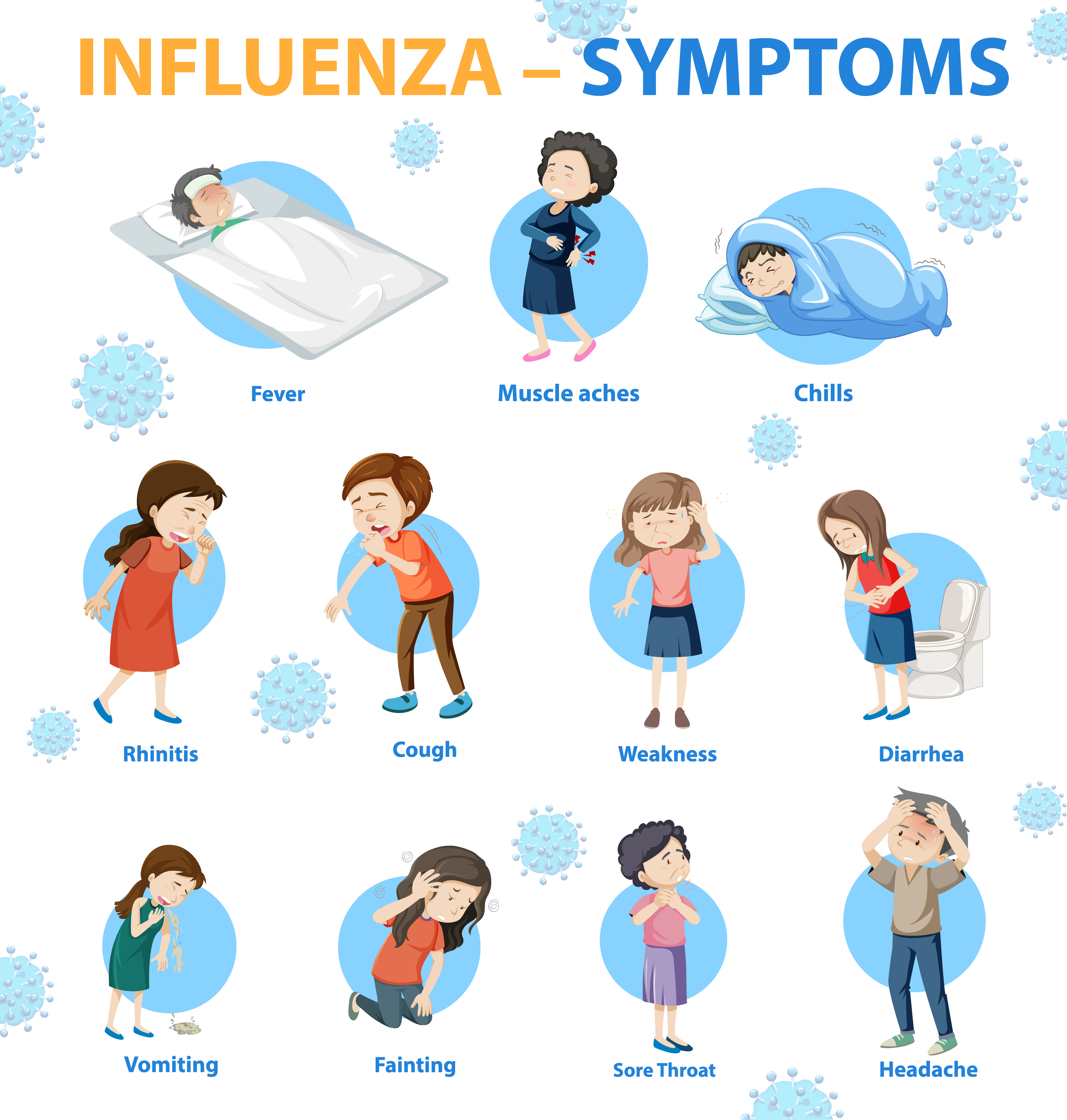
Complications of flu can include bacterial pneumonia, ear infections, sinus infections, dehydration and worsening of congestive heart failure, asthma or diabetes. Stomach symptoms such as vomiting, diarrhea and nausea can also occur but are more common in children.
 Children (6 months & older) Adults Seniors Pregnant women People with health issues (like asthma, diabetes, heart problems)