Caring Today for a Healthier Tomorrow and ForeverContact Us
Caring Today for a Healthier Tomorrow and ForeverContact Us




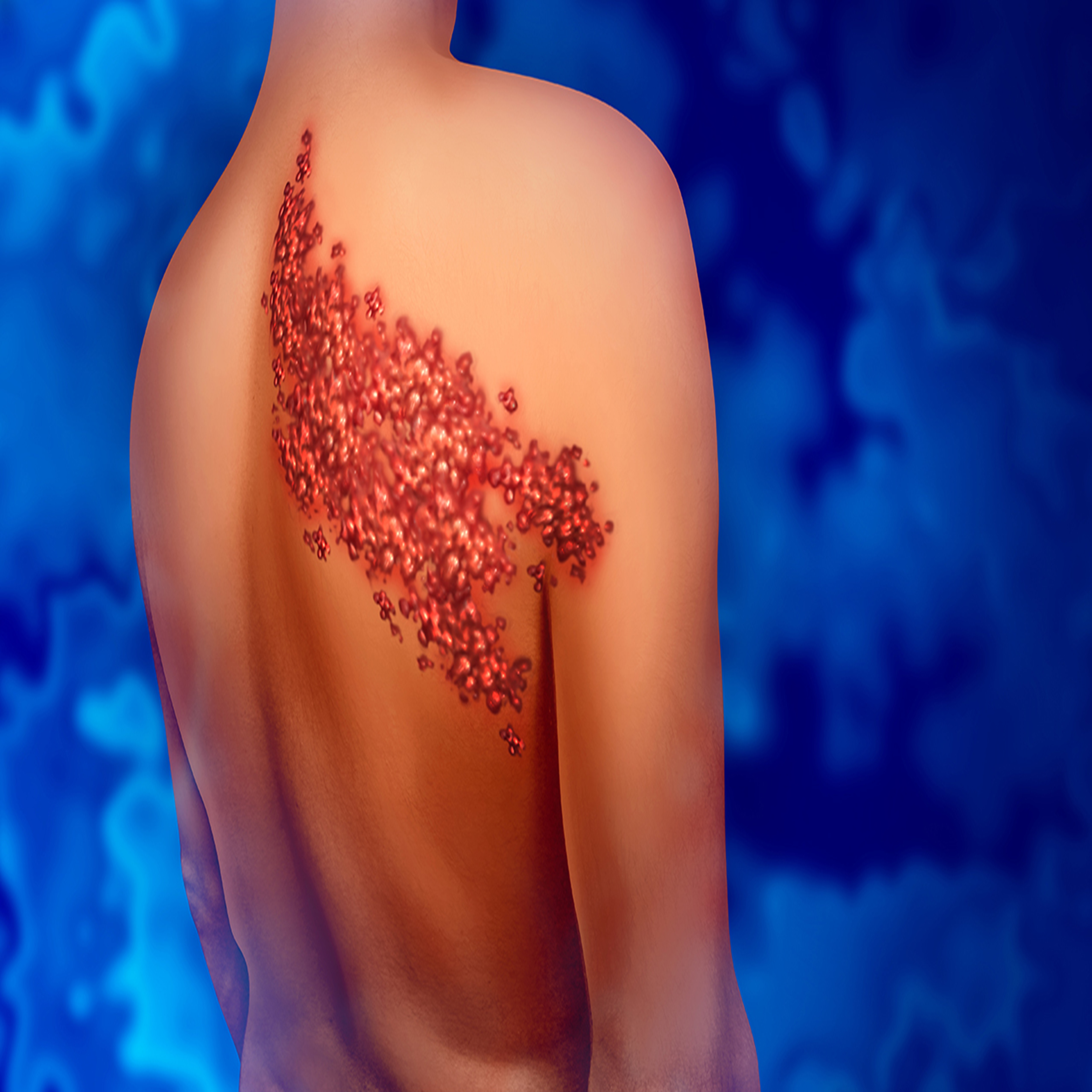
Shingles, also known as herpes zoster, is a painful skin rash caused by the varicella-zoster virus, the same virus that causes chickenpox. After a person recovers from chickenpox, the virus remains dormant (inactive state) in the body. Years later, it can reactivate as shingles.
According to estimates, about 1 out of 3 people in India will develop shingles during their lifetime. In India, around 156 million individuals over the age of 50 are at risk for shingles each year.
Shingles usually appear as a painful rash with fluid-filled blisters on one side of the face or body. The rash typically clears up within 2 to 4 weeks. However, some people may continue to experience pain for months or even years after the rash heals. This condition is known as postherpetic neuralgia.
India’s Ministry of Health and Family Welfare recommends the shingles vaccine for individuals 50 years and older, including those who:
 Have already had shingles Have had chickenpox Are unsure if they had chickenpox Are receiving immunosuppressive therapy
 The vaccine is also recommended for individuals with the following conditions:
Cancer HIV/AIDS History of organ transplant Autoimmune disorders (e.g. rheumatoid arthritis, lupus) Pregnant women should avoid getting the shingles vaccine. Individuals with minor acute illnesses, such as a cold, may still get vaccinated.
 Shingrix: This is a recombinant vaccine manufactured by GlaxoSmithKline. It was approved in India in 2020 for use in adults 45 years and older. Dosage Pattern - The shingles vaccine is given as a 2-dose series: 0 and 2 months
 Yes, it is possible to get shingles more than once, though rare. Even after vaccination, a small percentage of people may still get shingles from a new mutation of the virus. But the vaccine helps reduce the severity and duration.
Shingrix By GSK is not a live vaccine – it contains purified viral proteins and cannot cause shingles.