Caring Today for a Healthier Tomorrow and ForeverContact Us
Caring Today for a Healthier Tomorrow and ForeverContact Us





HPV (Human Papillomavirus) is one of the most common viral infections in the world, usually spread through skin-to-skin and sexual contact. It is also the leading sexually transmitted infection (STI). Almost every sexually active man and woman will get HPV at some point in their life, often within just a few years of becoming sexually active.
In India, the impact of HPV is serious:
 Every year, about 1,32,000 women are diagnosed with cervical cancer, and 74,000 women die from it. At any time, 6.6% of women carry cervical HPV infection.Nearly 80% of women will get genital HPV by the age of 50.
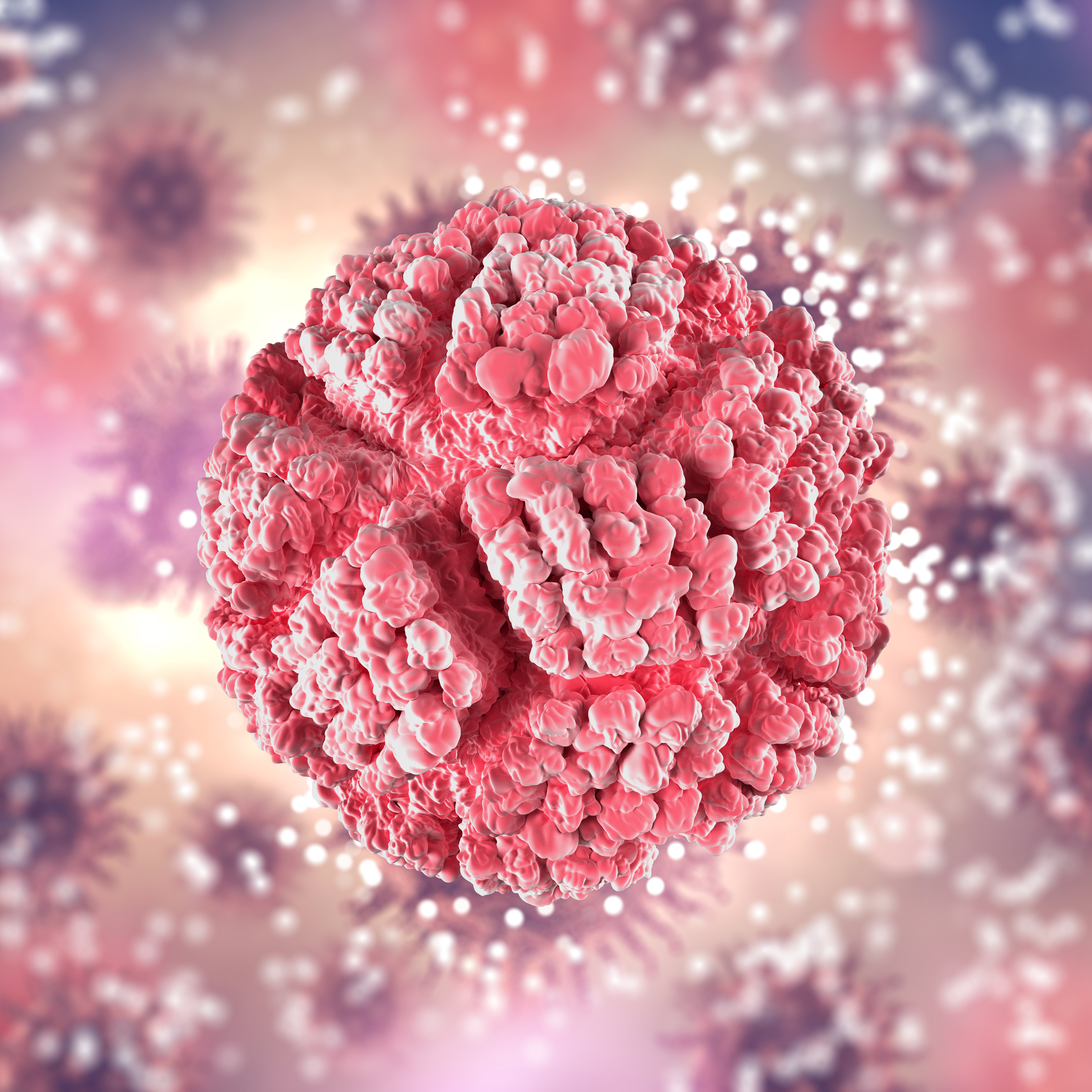
 There are 100+ types of HPV. Some cause genital warts, while high-risk types can lead to cervical, anal, throat, vulvar, and penile cancers. Many infections go away on their own, but persistent HPV can become dangerous.
Alarming fact: Every five minutes, one woman in India dies from HPV-related disease.
The good news is that this can be prevented. According to WHO and the Indian Medical Association, the best protection is through:
Awareness HPV vaccination Regular health screenings Cervavac Gardasil 4 Gardasil 9 Ages 9 to 14 years : 2 doses Ages 15 to 45 years (or those who missed earlier) : 3 doses