Caring Today for a Healthier Tomorrow and ForeverContact Us
Caring Today for a Healthier Tomorrow and ForeverContact Us




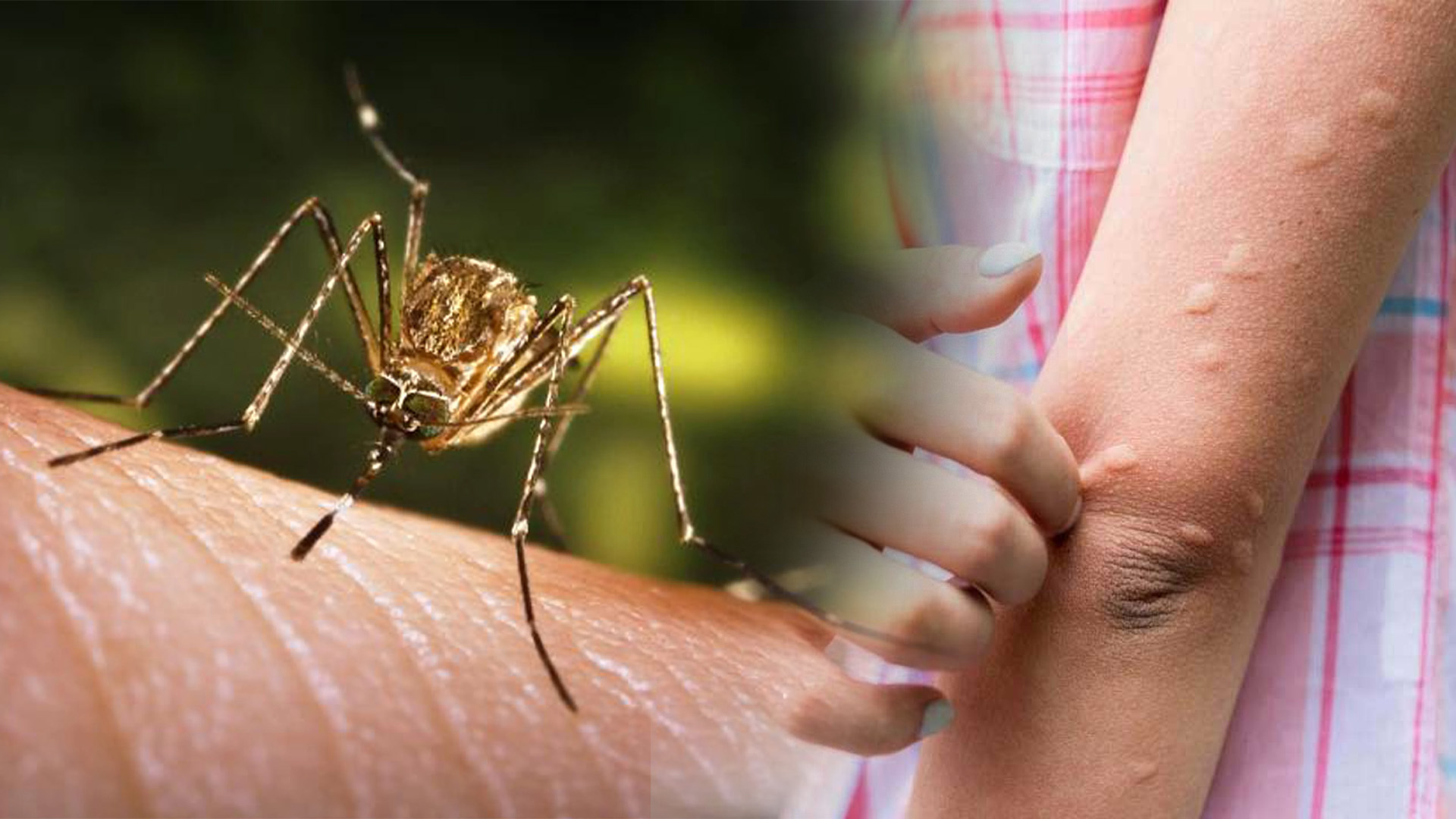
Japanese encephalitis (JE) is a severe, mosquito-borne viral infection that causes inflammation of the brain.
While most infections are mild, a small fraction of cases can lead to serious illness, causing long-term neurological damage, behavioral problems, or death.
The virus is a significant public health concern in many parts of Asia, including India.
There is no specific antiviral treatment for Japanese encephalitis. Medical management focuses on supportive care, including:
 Hospitalization for close monitoring Treatment of symptoms like fever and pain Management of complications like seizures or respiratory distress The most effective way to prevent Japanese encephalitis is through vaccination and avoiding mosquito bites. Vaccination: The World Health Organization (WHO) recommends integrating the JE vaccine into national immunization schedules in all areas where the disease is a public health priority.
This schedule is for children aged 1 year and older, as well as adults, particularly in high-prevalence areas. Two-dose series: The two shots are given at least 28 days apart. Booster dose: A booster shot is recommended 1 year after the initial series for individuals with ongoing risk. Two-dose series: For children 1 year and older, the second dose is given at least 4 weeks after the first. The JE vaccine is recommended for travelers visiting endemic regions, especially during the monsoon season or if they will be staying in rural areas for more than four weeks.
Hospitalization for close monitoring Treatment of symptoms like fever and pain Management of complications like seizures or respiratory distress The most effective way to prevent Japanese encephalitis is through vaccination and avoiding mosquito bites. Vaccination: The World Health Organization (WHO) recommends integrating the JE vaccine into national immunization schedules in all areas where the disease is a public health priority.
This schedule is for children aged 1 year and older, as well as adults, particularly in high-prevalence areas. Two-dose series: The two shots are given at least 28 days apart. Booster dose: A booster shot is recommended 1 year after the initial series for individuals with ongoing risk. Two-dose series: For children 1 year and older, the second dose is given at least 4 weeks after the first. The JE vaccine is recommended for travelers visiting endemic regions, especially during the monsoon season or if they will be staying in rural areas for more than four weeks.